
School of Diplomacy Faculty Advance Global Conversations Through New Publications
Tuesday, November 17, 2026
 Faculty at Seton Hall University’s School of Diplomacy and International Relations continue to contribute to important discussions on international security, economic
development, global health, energy policy and conflict resolution. Through scholarly
publications and interdisciplinary research, faculty members examine challenges affecting
governments, institutions and communities around the world. Their work reflects the
School’s commitment to advancing academic scholarship while contributing to broader
conversations about international affairs.
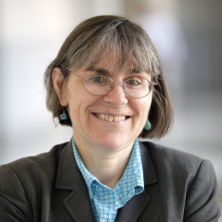
Energy Policy, Political Economy and Climate Change
Professor Margarita Balmaceda’s research explores the relationship between energy resources, political decision-making and international economic relations. Her article, China as a Coal-based Fertilizers Superpower: Domestic Drivers and Global Climate Impacts, published in Asian Perspective in 2026, examines China’s reliance on coal-based fertilizer production and its implications for global climate policy.
The research highlights how domestic agricultural and industrial priorities can influence environmental outcomes beyond national borders. By examining the connection between fertilizer production, fossil fuels and emissions, Balmaceda contributes to a broader understanding of the challenges governments face when balancing economic development with climate commitments.
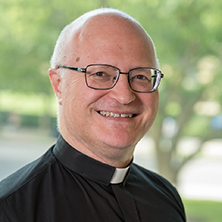
Religion, Ethics and Nuclear Security
Professor Brian Muzás examines the intersection of religion, ethics and international security, with particular attention to nuclear decision-making. His 2025 book, Presidents, Religions and Nuclear Decisions: Truman, Eisenhower, Carter and Reagan, explores the relationship between religious perspectives and the decisions of American presidents concerning nuclear weapons.
His scholarship provides insight into how personal beliefs and ethical considerations may influence national security decisions. By connecting religion with the study of diplomacy and nuclear strategy, Muzás contributes to discussions about the moral and political dimensions of international security.
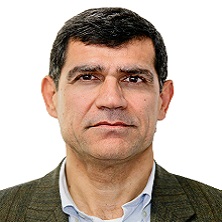
International Economics, Corruption and Governance
Professor Omer Gokcekus focuses on international economic development, corruption and the relationship between political institutions and economic performance. His scholarship examines how governance practices influence economic opportunities, institutional accountability and public trust.
Gokcekus’ research has addressed corruption in different political and economic settings, including the relationship between religion and corruption, perceptions of corruption in Northern Cyprus and the connection between informal economic activity and governance. Through this work, Gokcekus contributes to discussions about economic development and the institutional challenges facing governments around the world.
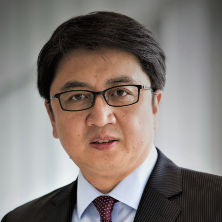
Peace Studies, Conflict Resolution and International Relations
Professor Zheng Wang’s scholarship focuses on international conflict, peacebuilding and the political factors influencing relations between countries. As director of the Center for Peace and Conflict Studies, his work connects academic research with broader discussions about diplomacy, negotiation and conflict management.
Wang’s research contributes to understanding how historical experiences, political perceptions and competing national interests can influence international disputes. By examining the underlying causes of conflict and opportunities for peaceful resolution, Wang’s scholarship emphasizes the importance of diplomacy in addressing international tensions.
Global Health Governance and International Security
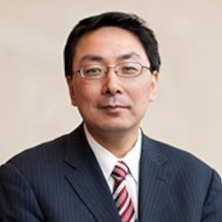
Professor Yanzhong Huang examines the relationship between public health, international politics and global security. As director of the Center for Global Health Studies, his research addresses the political and institutional challenges associated with responding to public health threats.
Huang’s scholarship explores global health governance, international cooperation and the ways public health emergencies influence government policies and international relationships. Huang’s work demonstrates that health challenges extend beyond national borders and require coordination among governments, international organizations and public health institutions.
Advancing Research and Global Understanding
The research highlighted in this faculty spotlight reflects the range of scholarship associated with Seton Hall University’s School of Diplomacy and International Relations. From energy security and climate change to cybersecurity, economic governance, conflict resolution and global health, these contributions address issues shaping international policy and cooperation.
Together, these areas of research demonstrate the importance of examining global challenges from multiple perspectives. Through scholarly publications and ongoing research, the School’s faculty contribute to academic knowledge, inform policy discussions and strengthen the connection between education and the practice of international affairs.
Categories: Education, Research